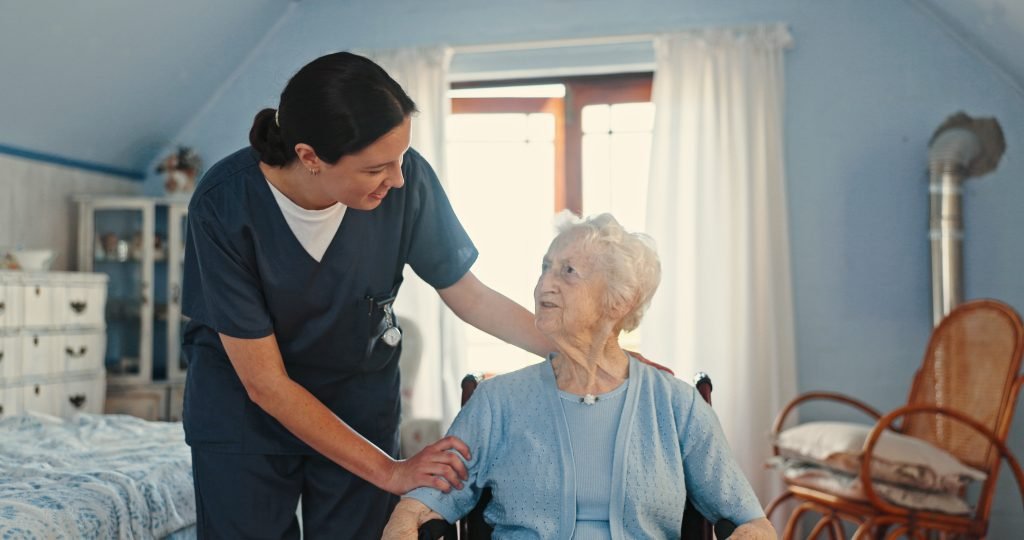
How to Support Mental Health in Elderly People
Supporting mental health in elderly people is one of the most important aspects of caregiving today. As life expectancy increases, more families are facing the challenge of ensuring emotional and psychological well-being for older adults. Organizations like nhiand trusted platforms such as pcrambo.co.ukemphasize that mental health care is just as essential as physical care in aging populations.
ny elderly individuals silently struggle with loneliness, anxiety, or depression, and unfortunately, these issues are often ignored or misunderstood as a normal part of aging. This guide provides a complete, easy-to-understand approach to help families, caregivers, and communities improve mental health outcomes in older adults.
Introduction to Elderly Mental Health
Mental health in elderly people refers to their emotional, psychological, and social well-being. It affects how they think, feel, behave, and interact with others. Aging brings many changes—retirement, loss of loved ones, declining physical health—which can significantly impact mental stability.
It is important to understand that growing older does not mean becoming unhappy or mentally weak. With proper support, elderly individuals can live fulfilling and emotionally balanced lives.
Why Mental Health in Older Adults Matters
Mental health directly influences overall quality of life. When elderly people feel mentally strong, they are more likely to stay active, maintain relationships, and manage physical illnesses effectively.
Poor mental health, on the other hand, can lead to:
- Increased risk of chronic diseases
- Reduced independence
- Higher healthcare costs
- Lower life satisfaction
In many cases, untreated mental health conditions can even shorten lifespan. That is why early support and awareness are critical.
Common Mental Health Issues in Elderly People
Understanding common conditions helps in early identification and better care.
Depression
Depression is one of the most frequent mental health problems among elderly people. It often appears as constant sadness, lack of energy, or loss of interest in daily activities.
Anxiety Disorders
Older adults may worry excessively about health, finances, or family. This constant stress can affect sleep and overall well-being.
Dementia and Cognitive Decline
Conditions like dementia affect memory, thinking, and behavior, making daily life difficult.
Loneliness and Social Isolation
Many elderly individuals live alone or feel disconnected, which can lead to emotional distress.
📊 Comparison Table
| Condition | Common Symptoms | Impact on Life |
| Depression | Sadness, fatigue, low interest | Reduced motivation |
| Anxiety | Fear, restlessness | Sleep problems |
| Dementia | Memory loss, confusion | Loss of independence |
| Loneliness | Isolation, emptiness | Emotional decline |
Causes and Risk Factors of Mental Health Problems
Mental health issues in elderly people do not occur randomly. They are usually influenced by multiple factors.
Biological Factors
Aging affects brain chemistry and increases the risk of neurological conditions. Chronic illnesses such as diabetes or heart disease also contribute.
Psychological Factors
Loss of independence, grief from losing loved ones, and reduced self-worth can deeply affect emotional health.
Social Factors
Isolation, lack of family support, and financial stress are major contributors.
In many cases, these factors overlap, making mental health challenges more complex.
Early Warning Signs You Should Never Ignore
Recognizing early signs can prevent serious complications. Families should pay close attention to behavioral changes.
Common warning signs include:
- Withdrawal from social activities
- Sudden mood swings
- Changes in appetite or sleep
- Confusion or memory loss
- Lack of interest in hobbies
These signs should never be ignored, as early intervention can significantly improve outcomes.
Proven Ways to Support Mental Health in Elderly People
Supporting elderly mental health requires consistent effort and understanding.
Emotional Support
Listening with patience and showing empathy helps elderly individuals feel valued and understood.
Social Engagement
Encouraging regular interaction with family, friends, or community groups reduces loneliness.
Physical Activity
Simple exercises like walking or stretching improve mood and brain function.
Mental Stimulation
Activities such as reading, puzzles, or learning new skills keep the brain active.
Routine and Stability
A structured daily routine provides a sense of control and reduces anxiety.
Platforms like pcrambo.co.uk also highlight the importance of combining emotional care with structured daily habits to maintain long-term mental wellness.
Role of Family and Caregivers
Family members play a central role in supporting elderly mental health. Their involvement can make a significant difference.
Caregivers should:
- Spend quality time regularly
- Encourage independence instead of controlling behavior
- Observe emotional changes
- Provide reassurance and comfort
A supportive environment helps elderly individuals feel secure and respected.
Importance of Social Connection and Community Support
Human connection is essential at every age, especially in later life. Social engagement reduces the risk of depression and cognitive decline.
Examples of helpful activities include:
- Community gatherings
- Religious events
- Group hobbies
- Volunteer work
Strong social networks improve emotional resilience and happiness.
Lifestyle Changes That Improve Mental Well-being
Healthy habits play a major role in maintaining mental health.
Diet
A balanced diet rich in nutrients supports brain function.
Sleep
Proper sleep improves mood and memory.
Exercise
Regular physical activity reduces stress and boosts energy.
Avoid Harmful Habits
Limiting smoking and alcohol is essential for both mental and physical health.
Medical and Professional Support Options
Professional help should not be delayed when symptoms become serious.
Available options include:
- Counseling and therapy
- Psychiatric treatment
- Medication (if prescribed)
- Regular health checkups
Mental health conditions are treatable, even in older age.
How to Support Elderly with Dementia or Cognitive Decline
Caring for someone with dementia requires patience and consistency.
Effective strategies include:
- Maintaining a daily routine
- Using memory aids like notes or reminders
- Creating a safe environment
- Communicating calmly and clearly
Caregivers should focus on reducing confusion and providing reassurance.
Cultural and Social Barriers
In many regions, including South Asia, mental health is often misunderstood. Stigma prevents elderly individuals from seeking help.
Common barriers include:
- Fear of judgment
- Lack of awareness
- Limited access to healthcare
Raising awareness and normalizing mental health discussions is essential.
Preventive Strategies for Long-Term Mental Health
Prevention is always better than treatment.
Key strategies include:
- Regular social interaction
- Healthy lifestyle habits
- Early screening for mental health issues
- Continuous emotional support
Consistent care can prevent many problems from becoming severe.
Practical Daily Care Plan
A simple daily routine can significantly improve mental well-being.
| Time of Day | Activity |
| Morning | Light exercise and healthy breakfast |
| Afternoon | Social interaction or hobbies |
| Evening | Relaxation and family time |
| Night | Calm environment and proper sleep |
This structure provides stability and reduces stress.
Technology and Mental Health Support for Seniors
Technology can help elderly people stay connected and engaged.
Examples include:
- Video calls with family
- Health monitoring apps
- Online therapy sessions
Even basic digital tools can reduce isolation and improve communication.
When to Seek Immediate Help
Some situations require urgent attention. While discussing mental health, it is also important to understand when to visit urgent care for fever or infection, as physical health issues can worsen mental conditions.
Seek immediate help if:
- There are signs of severe depression
- The person expresses suicidal thoughts
- Sudden confusion or aggressive behavior appears
- Physical symptoms like fever or infection accompany mental decline
Knowing when to visit urgent care for fever or infection ensures timely treatment and prevents complications. Caregivers should always stay alert to both mental and physical warning signs.
Future Trends in Elderly Mental Health Care
Mental health care is evolving rapidly. Future trends include:
- Telehealth services
- AI-based monitoring tools
- Community-centered care programs
Websites like pcrambo.co.uk continue to provide updated resources and insights into improving elderly care through modern approaches.
Key Takeaways
Supporting mental health in elderly people requires a combination of emotional care, social support, healthy lifestyle, and professional help. Small, consistent efforts can lead to significant improvements in quality of life.
FAQs (Additional Value Section)
1. Can pets help improve mental health in elderly people?
Yes, pets can reduce loneliness, provide companionship, and improve emotional well-being.
2. How does retirement affect mental health in seniors?
Retirement can lead to loss of purpose, which may increase the risk of depression if not managed properly.
3. Are group therapy sessions helpful for older adults?
Yes, group therapy provides social interaction and shared experiences, which can improve mental health.
4. How can music therapy benefit elderly individuals?
Music therapy can reduce anxiety, improve mood, and even enhance memory in dementia patients.
5. Is it normal for elderly people to feel anxious about aging?
Yes, but persistent anxiety should be addressed with proper support and possibly professional help.
Conclusion
Supporting mental health in elderly people is not a one-time effort but a continuous process of care, understanding, and connection. By focusing on emotional support, healthy routines, social engagement, and timely medical attention—including knowing when to visit urgent care for fever or infection—families and caregivers can significantly improve the lives of older adults. With the right approach, aging can be a stage of comfort, dignity, and mental well-being.

You May Also Like

Hrms Globex – The Ultimate Guide!

Entrepreneurship and Business Development Guide: A Complete Path to Building a Successful Business